by N’Jeri Eaton | republished from Type C Studios
I still remember the first time someone called me a veteran.
It was in an article announcing my move from Apple to Netflix. And I thought, veteran is a pretty strong word for someone who is only five years into podcasting. I still felt like I was figuring this industry out. When I went to NPR in 2016, I was brand spanking new to audio. My first day, I got a reporter’s notebook out of the supply closet as I began a barrage of meetings. I remember writing a note on the first page: Who is Yarl? (That would be Jarl Mohn, the CEO of NPR at the time.) Thankfully, that question stayed on the page and never left my mouth.
Thanks for reading! Subscribe for free to receive new posts and support my work.
But that’s kind of the point. I had to learn a lot and very fast. And that has never really stopped.
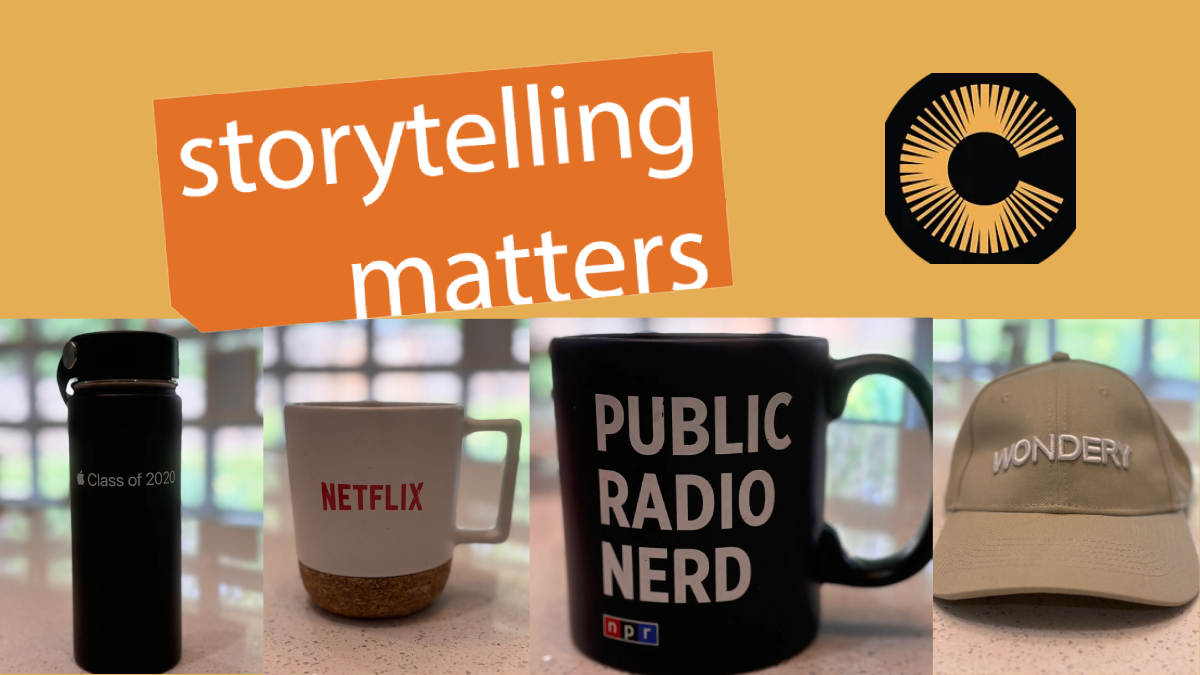
Ten years later, I have worked at NPR, Apple Podcasts, Netflix, and Wondery. I’ve watched this industry transform in ways that no one could have predicted. But some lessons have stayed constant. Here are ten lessons that will always be relevant.

#1 – Resourcefulness beats budget (although I’ll never say no to a healthy budget)
I spent the majority of my career at nonprofits. You learn quickly how to be scrappy and strategic. At NPR, almost every show we launched was unorthodox in how we made it happen. White Lies was two journalists/documentary filmmakers who’d been working on their story for years. We embedded them with the investigations team to provide significant editorial and production support. It made producing the series more cost effective. No Compromise was a collaboration between NPR and two member stations (WAMU and KCUR). We were able to use remaining funds from WAMU’s Guns & America initiative to fill our production budget gap. We got creative at every turn, not because we wanted to, but because we had to. And honestly? That constraint made us better. When I got to Apple, I thought: imagine what I can do with real resources. Turns out, I didn’t get to spend a single dime developing content for Apple Podcasts. But that’s a story for another time.
#2 – Good ideas can come from absolutely anyone
When I heard about the pilot for what would become Throughline, I was told NPR had never given a show to hosts who had never been on mic talent before. And these hosts didn’t have backgrounds as historians. But the potential for the series that Rund Abdelfatah and Ramtin Arablouei created was undeniable. Throughline eventually became an award-winning show, including a Peabody and a finalist for the Pulitzer. It has become essential listening for understanding our moment in history. At the same time, another colleague on the Marketing team had been diligently working on her own podcast: Side Hustle Pro.
Nicalia Matthews Okome produced it on the side (no pun intended) while working her full-time job. She poured everything into it and eventually left to focus on it full-time. Nicalia has built not just a podcast but a powerful platform. The best organizations hire incredible people. If you put those people in boxes, you’re wasting everyone’s time, including your own.
#3 – Drive and ambition are mandatory for long-term success
Experience and talent will take you far. But doing a podcast, especially a weekly show, is a grind. You are feeding a never-ending content monster. And on the days when you’re sick, burnt out, or just running on empty, the thing that keeps the work good is caring. Caring about making each episode as strong as possible. Caring about your audience and learning about what they need. Caring about the people who work alongside you. If the podcast is just about a paycheck or if you’re doing a paint-by-numbers approach, then audiences will feel it. And they won’t stick around. The shows that last are made by people who genuinely need to make them.
#4 – A “no” is just an obstacle you haven’t understood yet
So many times across my career, I’d hit a wall. A legal team would say no to a new initiative. Someone from a marketing team would reject a request for a partnership. And instead of taking it at face value or getting into an argument, I learned to just get curious: What are the obstacles you’re seeing? Help me understand. Nine times out of ten, the “no” wasn’t about me — it was about workloads, risk, or something I hadn’t considered. When I approached the visuals team at NPR about doing short video content for Alexa for a podcast, I got a firm no. I was able to have an honest conversation about their workload, the process, and their concerns. We found a path forward together. And the supervisor who started out skeptical, became one of the biggest internal advocates for the show. They were invested in seeing the idea and my team succeed.
#5 – Patience is a strategy
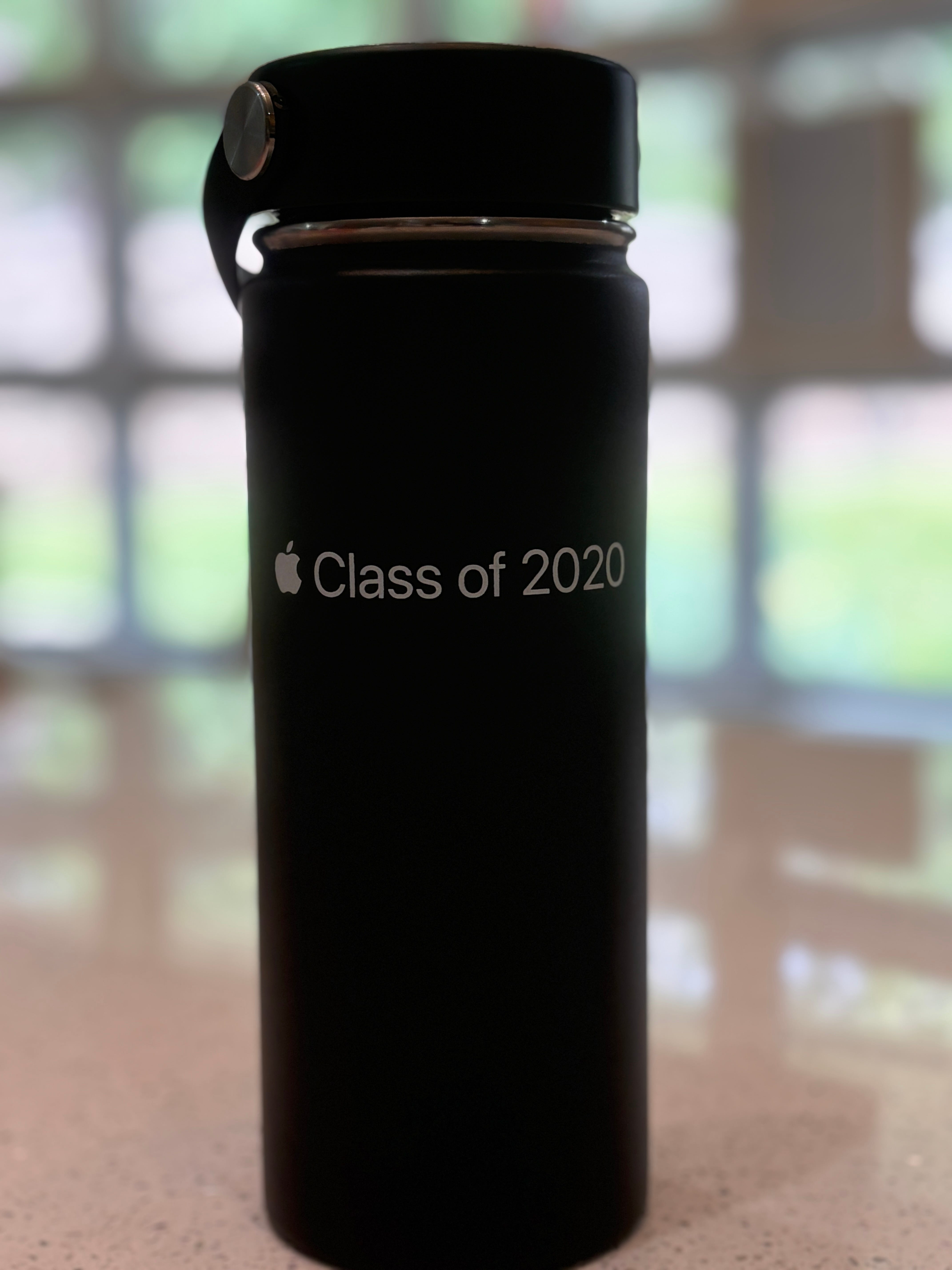
At my daughter’s Montessori school, they teach the kids this song: “Have patience, have patience, don’t be in such a hurry.” Although my daughter hates when I use the song on her, it’s still a good reminder for me. And working at Apple taught me this in a real way. At a tech company of that size, Change. Take. Time. A new initiative can require a roadshow to your boss, your boss’s boss, and so on. I’m someone who likes to move fast. But I learned that moving with intention, especially on things with big strategic impact, is sometimes key to getting things done. And done right.
#6 – Transparency makes everything better
At Apple, the culture of confidentiality was intense. Sometimes I had to sign project-specific NDAs for things that were happening within my own team. I understood the reasons. But the times I knew something that could have helped a colleague — and couldn’t share it — I felt terrible. At every job that I’ve ever held, information is currency. The more you can help the people around you understand the strategy, the context, the why, the better everyone’s work gets.
#7 – Hire great people and then get out of their way
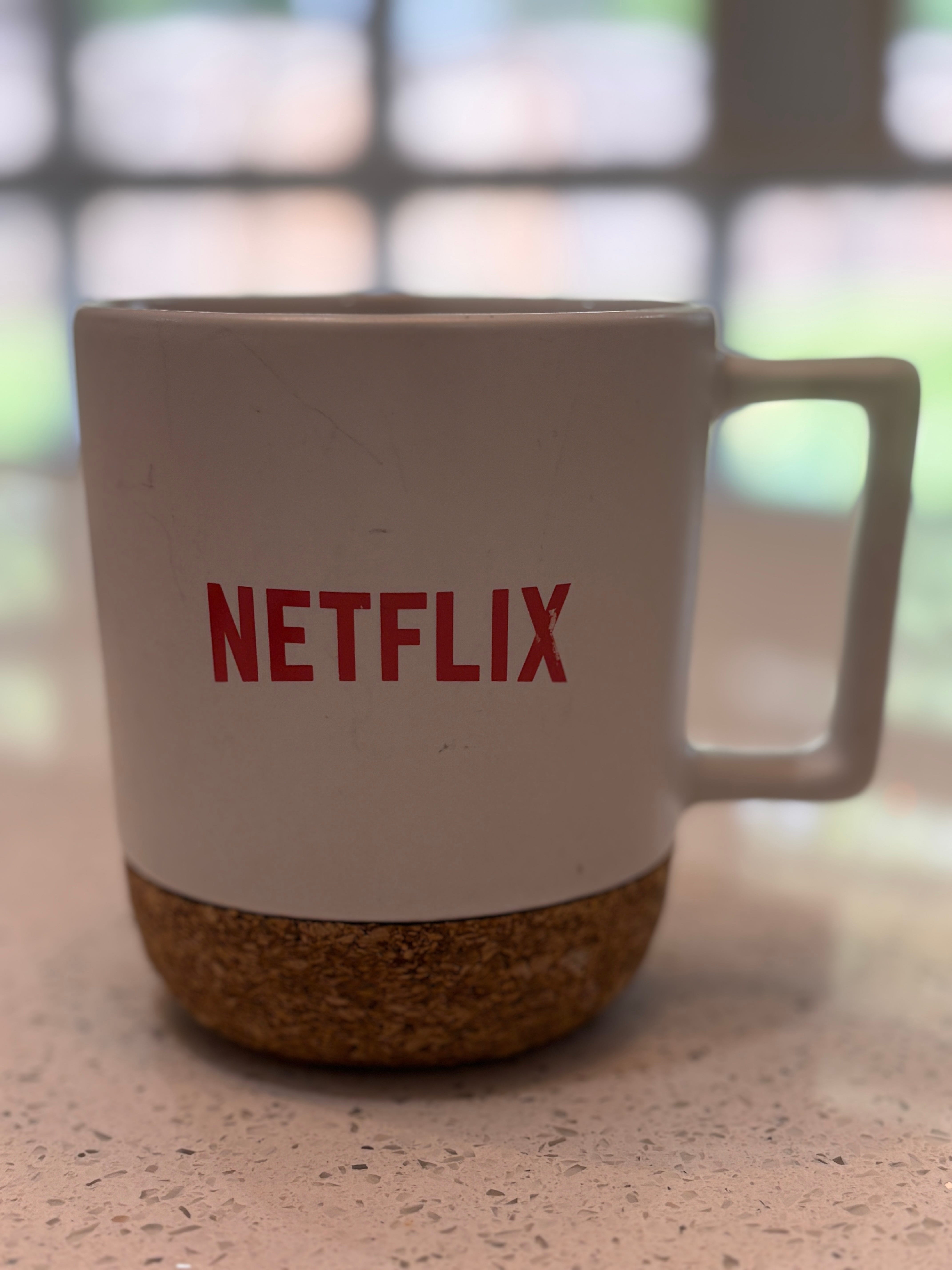
Netflix was the first place I ever felt like I was exactly where I was meant to be. Working alongside people who cared deeply, with resources that matched their ambition, and under a leadership who hired me to show up fully. It was extraordinary. And it was a master class in what’s possible when you trust people to do their best work. Unfortunately, it was also short lived. Eleven months in, a series of layoffs decimated my team. But for that stretch of time, I understood what an optimal work environment looks and feels like. And we’re earnestly trying to build that at Type C Studios.
#8 – Authenticity wins
You can’t use data and algorithms to try to engineer a hit. Sometimes it works. But the projects that truly break through have a unique voice and vision. The unexpected success of series like Baby Reindeer and Squid Game even took Netflix by surprise. And much like television, the podcasts that I’ve fallen in love with over the years can often feel like a secret you can’t wait to share with others. That kind of vision doesn’t happen by committee. It happens when someone has real vision and the courage to see it through.
#9 – Diversify your revenue
Wondery’s three-legged stool of ad revenue, subscriptions, and IP expansions was genuinely smart. If one leg wobbles (and that is to be expected because outside forces are unpredictable), then you need the other two to hold you up. I watched ad revenue dip during the pandemic, and before every presidential election as companies became tighter with their budgets as they awaited the outcome. It inevitably led to layoffs for a lot of companies. When we started building Type C Studios, diversifying our revenue was an imperative from the start.
#10 – Reward potential, not just tenure
One of the most challenging things I experienced at Amazon were the strict guidelines around promotions and levels. Promotion typically required people to already be operating at the next level for an extended period of time. Instead of incentivizing employees, it sometimes led to burnout and people feeling demoralized. Strict guidelines prevented managers from rewarding potential in direct reports who were punching above their weight. When you reward potential, people rise to meet it and give you more than you asked for. Yes, it’s a risk. But so is everything worth doing.
Ten years in podcasts. I’m still learning. And now with Type C Studios, I’m excited to put all of these lessons into practice.